Why Durable Screen Prints Matter for Your Business Apparel
When you order custom apparel for your team, you want it to last. A shirt that looks sharp after one wash is easy. But what about after fifty washes? That is where the quality of the print really shows. Over the years, I have seen too many businesses invest in branded gear only to watch the logos crack and fade within a few months. The difference comes down to one thing: durable screen prints.
Screen printing is not a one-size-fits-all process. The ink, the mesh count, the curing temperature, and even the fabric all play a role. Get any of these wrong, and the print will fail early. But when done right, screen printing can produce results that outlast the garment itself. I have worked with shops in Garden Grove and beyond, and the ones that focus on durability are the ones that keep clients coming back.
The Science Behind a Long-Lasting Print
At its core, screen printing pushes ink through a woven mesh onto fabric. The ink bonds with the fibers during curing. If the cure is too hot, the ink becomes brittle. Too cool, and it never fully bonds. The sweet spot depends on the ink type, the garment material, and the print thickness. Plastisol ink, the most common choice for commercial work, needs a cure temperature around 320 degrees Fahrenheit. But even that varies by manufacturer.
I once visited a print shop that had a conveyor dryer running a consistent 330 degrees. Their prints looked vibrant and lasted through years of wear. Another shop down the street was using a flash dryer to cure their plastisol, and their prints were peeling within a month. The difference was not the ink or the screen. It was the curing process. That is why durable screen prints depend on precise equipment and careful monitoring, not just good artwork.
Choosing the Right Garment for the Job
Fabric choice matters more than most people realize. A 100 percent cotton t-shirt absorbs ink well, but it can shrink and distort over time. Blends with polyester can resist shrinking, but they require different ink additives to bond properly. For heavy-duty work uniforms, a 50/50 cotton-poly blend with a high-quality plastisol print often gives the best balance of comfort and longevity. I have seen fleece pullovers that held their print for over a decade because the shop matched the ink to the fabric correctly.
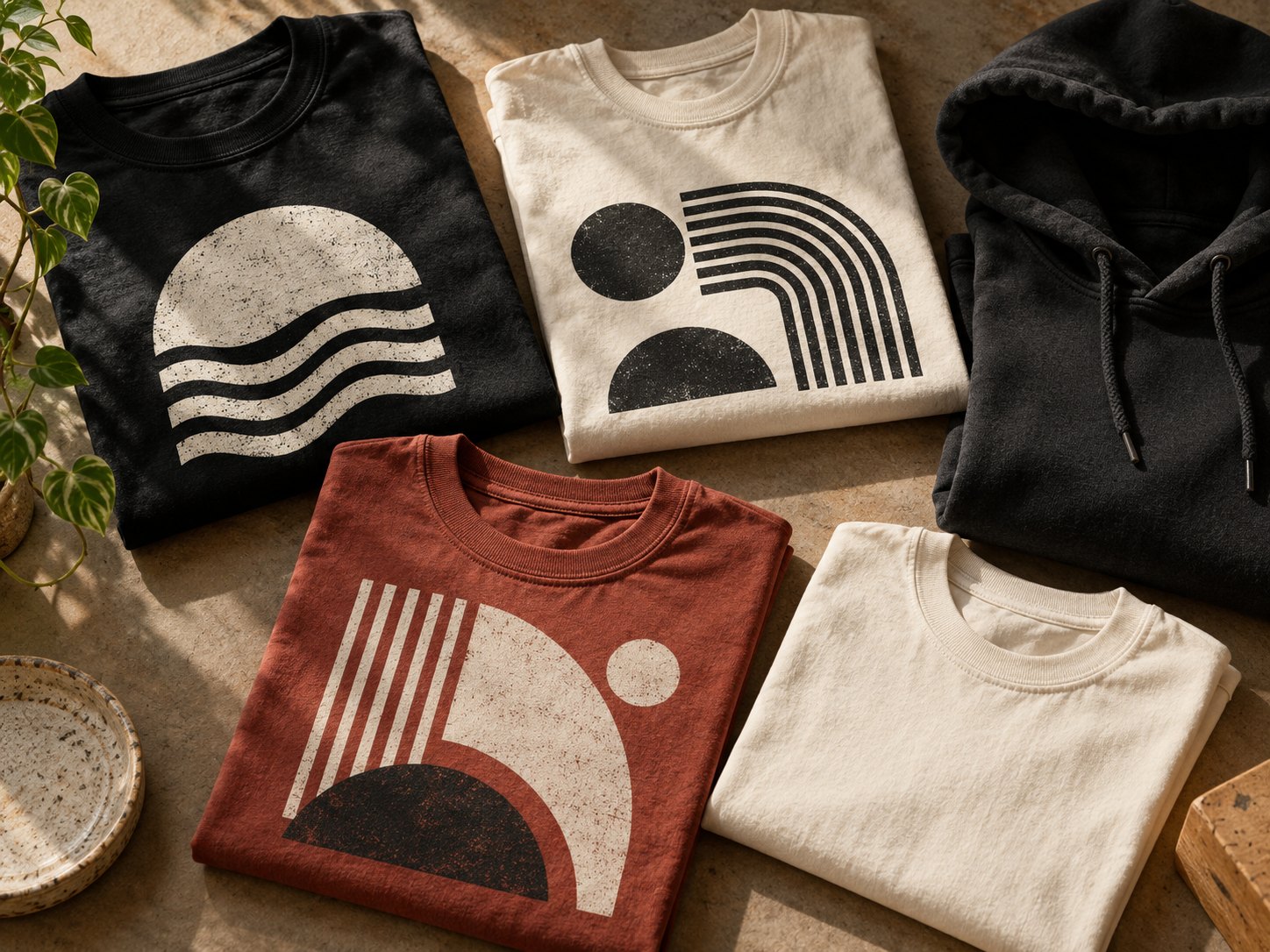
On the other hand, a low-quality triblend with a soft-hand ink might feel nice, but the print can crack after a few washes. The trade-off is real. Softness versus durability. If you want durable screen prints, you have to accept that the print will have a slightly thicker hand. That is not a bad thing. It means the ink layer is substantial enough to resist abrasion and washing.
How Ink Selection Affects Durability
Plastisol is the workhorse. It stays flexible, resists fading, and holds up to industrial laundering. Water-based ink sinks into the fibers and feels soft, but it can fade faster on dark garments. Discharge ink strips the dye from the fabric and replaces it with pigment, giving a soft hand and good durability on 100 percent cotton. But discharge is more complex to use and can be inconsistent on blends.
For outdoor gear or uniforms that see heavy use, a high-opacity plastisol with a matte finish is a solid choice. It blocks light well and resists cracking even under abrasion. I have printed thousands of hoodies for construction crews, and the ones with thick plastisol layers outlasted the shirts themselves. The key is applying enough ink to create a durable film without making the print stiff or heavy.
Pre-Press Preparation
Good results start before the first screen is coated. Artwork needs to be separated into the right number of colors, and each color needs a screen with the correct mesh count. A lower mesh count, like 110, deposits more ink and gives a thicker, more durable print. But it also shows more detail loss. A higher mesh, like 230, gives crisp edges but a thinner ink deposit. For a logo that needs to last, I usually recommend a 156 or 200 mesh for the main color, and a 110 for solid areas like white underbases.
Screen tension also plays a role. A loose screen can cause uneven ink deposit, which leads to weak spots that crack early. High-tension screens are harder to set up, but they give consistent coverage and better durability. I have seen shops skip this step and pay for it later with returns and reprints. Investing in proper screen tension from the start pays off in durable screen prints that keep your brand looking good for years.
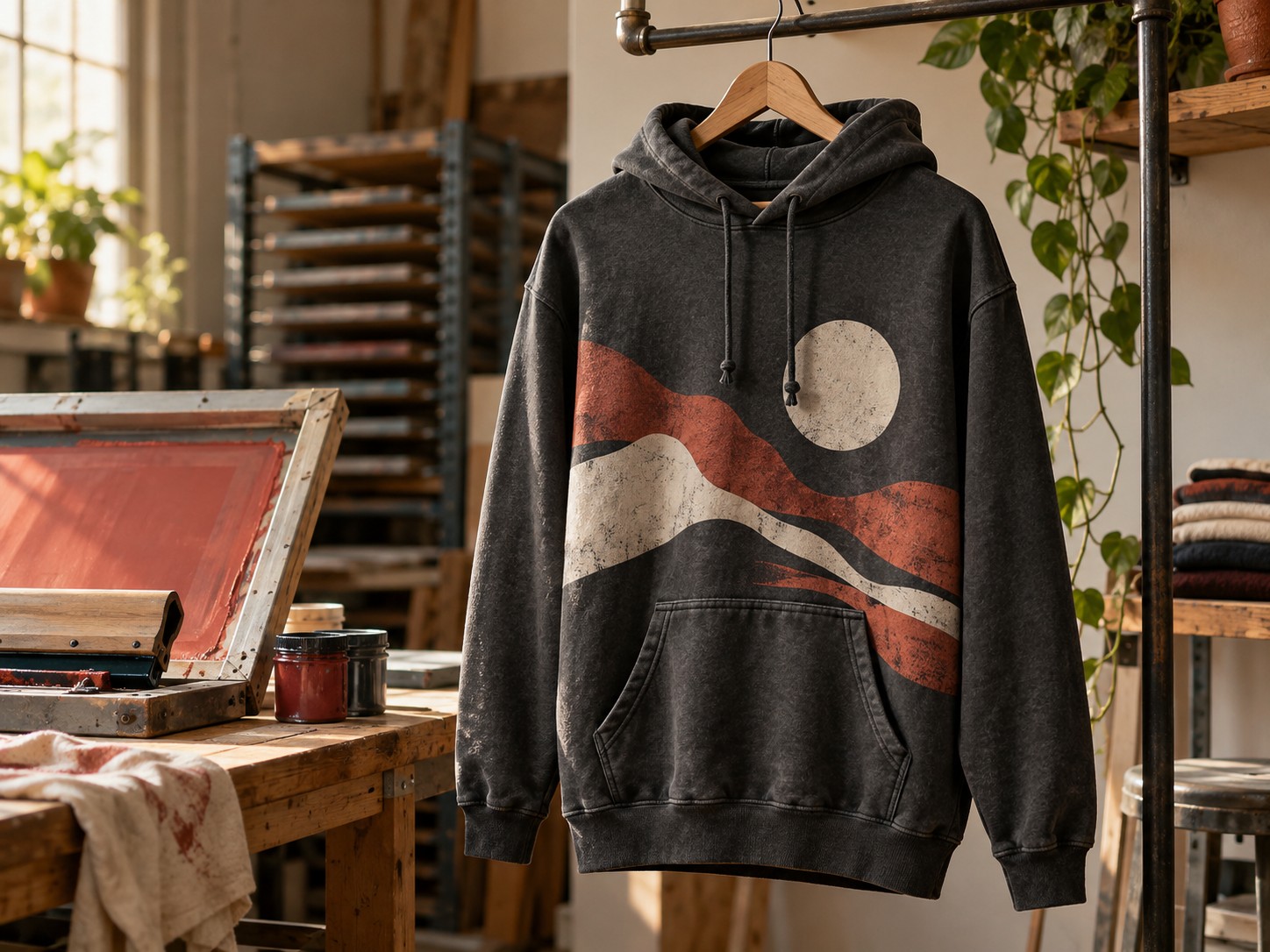
Post-Print Handling and Care
Even the best print will fail if the wearer does not take care of it. Washing in hot water, using bleach, and drying on high heat all accelerate breakdown. I always tell clients to wash their custom apparel inside out in cold water and hang it to dry. That simple habit can double the life of the print. For work uniforms that are laundered industrially, a print that withstands 50 industrial washes is considered excellent. Some high-durability inks can go past 100.
Connect with us on Instagram.
But here is the honest truth: no print lasts forever. Eventually, the ink will crack, the fabric will fade, and the garment will wear out. The goal is to push that moment as far into the future as possible. That means using the right ink, the right curing temperature, and the right fabric for the job. It also means educating your team or your customers on proper care. A small investment in care instructions can save a lot of replacement costs.
Real-World Examples
I worked with a local brewery that wanted shirts for their staff. They had tried a cheap online printer before, and the prints were peeling within a month. We switched to a heavier plastisol and a 156 mesh, and used a proper conveyor dryer. Those shirts lasted through two years of weekly washes and still looked good. The owner told me they had not reordered because the shirts were still wearable. That is the kind of result you get from durable screen prints.
Another client was a school district that needed polos for maintenance staff. They required the prints to hold up to industrial laundering and daily wear. We chose a 50/50 blend polo and a high-opacity plastisol with a poly-friendly additive. After six months, the prints showed no cracking or fading. The district placed a larger order the next year. That repeat business came directly from the quality of the print.
Finding the Right Print Partner
Not every print shop focuses on durability. Some are more concerned with speed or low price. If your business needs apparel that represents your brand for years, look for a shop that asks about your garment choice, your wash routine, and your expected lifespan. They should be able to explain their ink selection and curing process. A good shop will also offer samples and test prints before committing to a large order.
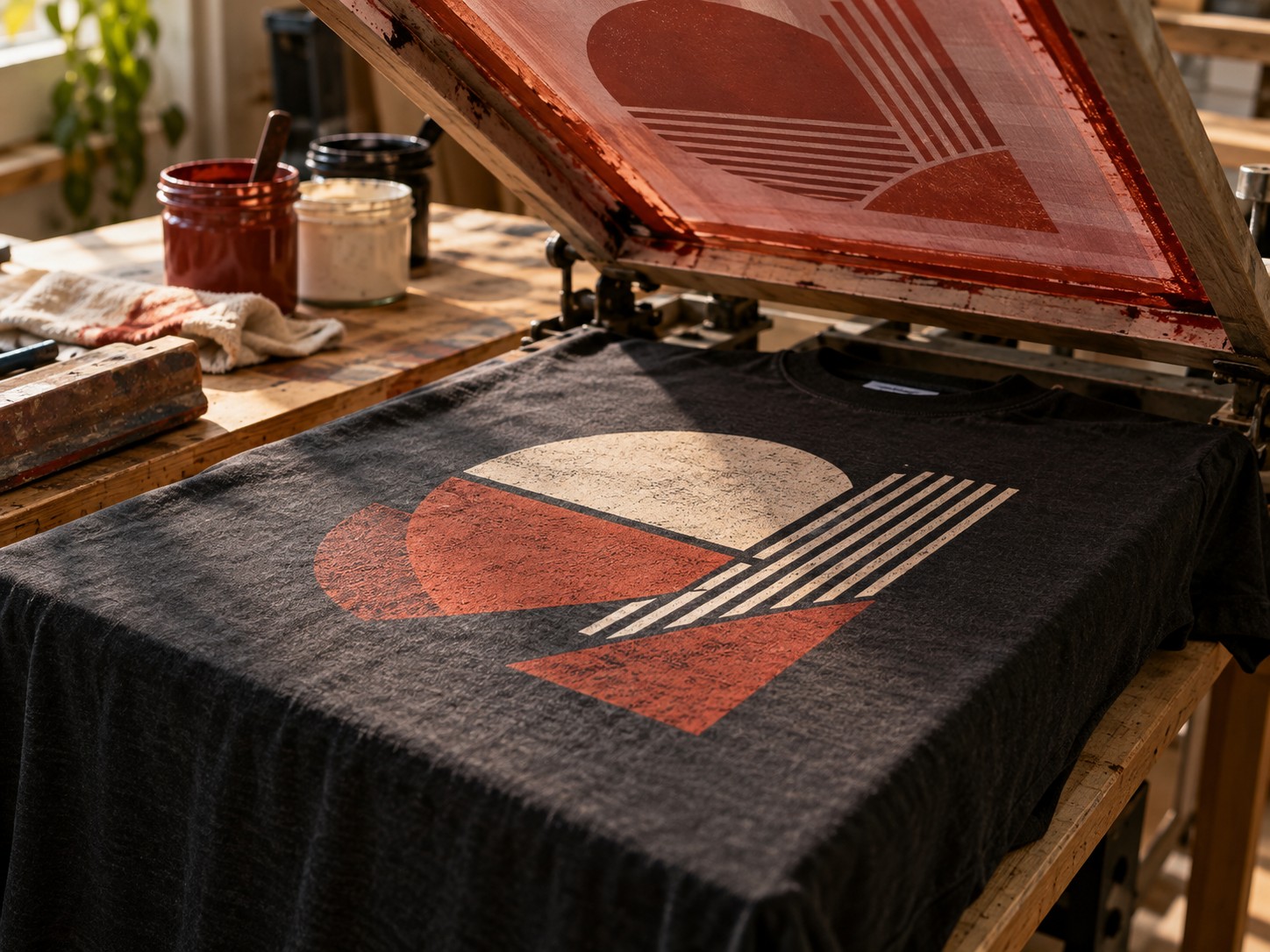
When you find a partner who understands these details, you can trust that your custom apparel will hold up. That is the kind of relationship that saves money and frustration in the long run.
DSP Printing, located at 11611 Salinaz Dr Ste O, Garden Grove, CA 92843, USA, provides custom screen printing and embroidered apparel services for businesses and organizations seeking durable results. You can reach them at +1 714-951-4919 to discuss your next project.